

Ragù alla Mapo
Every time I eat Ragù alla Bolognese, I think of Mapo Tofu—and vice versa. There is something about these two dishes that makes them feel as if they walk in each other’s shadow. Even though their flavor profiles are completely different, I often imagine that if they were people, they would complement each other perfectly and make an unexpectedly great couple.
Out of pure curiosity, I began learning about the history and cooking methods of both dishes. After talking with my Northern Italian friends, as well as my mom and my Chengdu aunties, practicing in my tiny kitchen, cooking batch after batch of ragù and Mapo Tofu, experimenting with ways to combine the two, I finally arrived at a recipe I am truly proud to share with you. It is not an Italian-style Mapo Tofu or a Chinese-style ragù
I call it Ragù alla Mapo ( we will talking about the basic way to serve it and why below as well)
This recipe is designed to be accessible for everyday cooking. Most of the ingredients can be found at your local market or in the international aisle—okay, you might need a quick trip to a Chinatown supermarket—but I promise everything is easy to find, budget-friendly, and only requires a little extra effort. I hope you enjoy it as much as I do.
I dedicate this recipe to MaoMao—thank you for eating all my kitchen experiments and for sharing the tips that helped shape this dish into a version that truly represents who I am.
CLICK HERE TO THE RECIPE
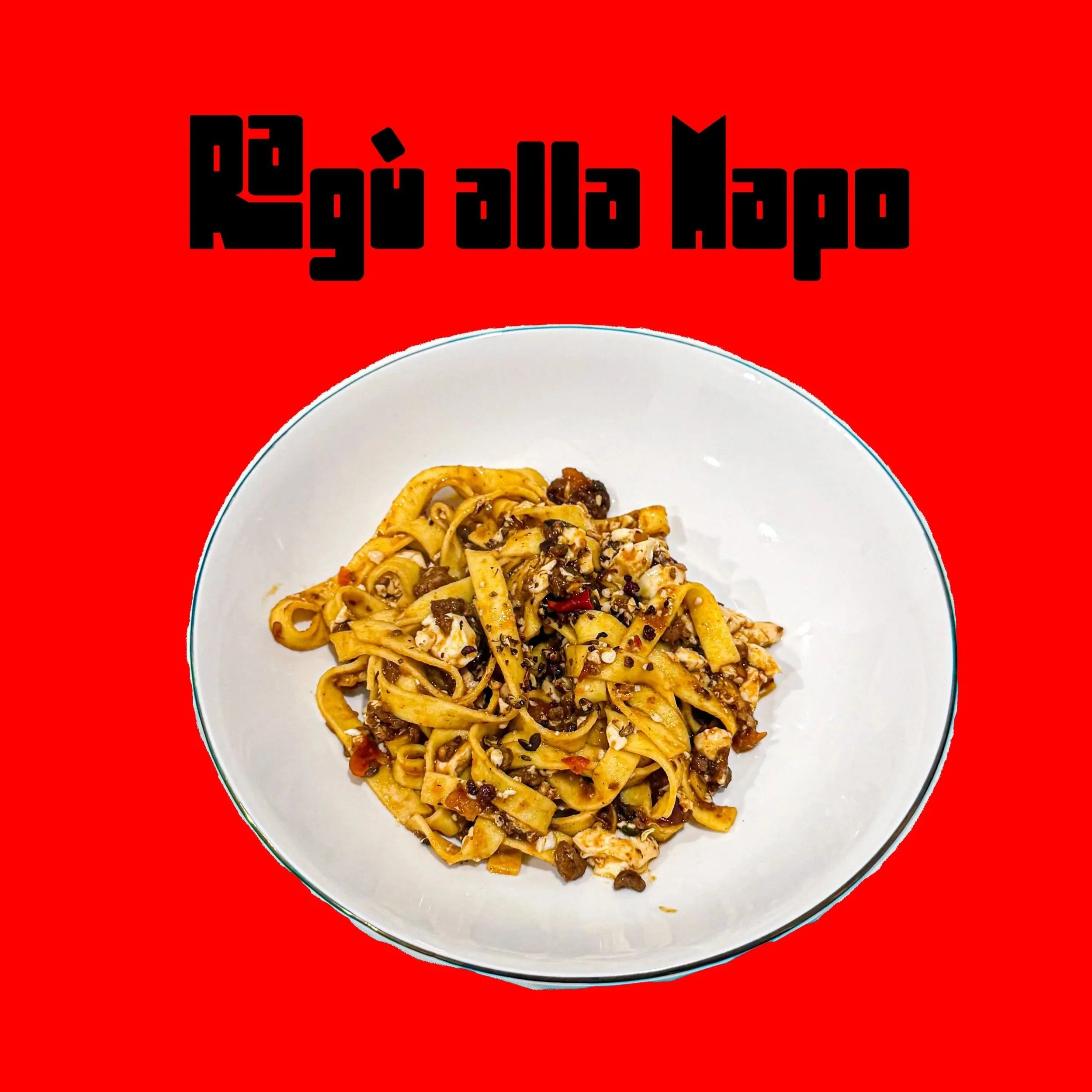
First of all, I have not yet found a good interpretation of ragù alla Bolognese and mapo tofu at fusion restaurants that serve similar dishes on their menus. Most of these fusion places aim to cater to local taste buds and preferences, which often eliminates the core of each dish’s true flavor. Since ragù alla Bolognese is more familiar to an international audience, the main goal here is to introduce the “ma” and “la” characteristics smoothly without washing away the original taste of the ragù, and to demonstrate how slow-cooking and high-heat cooking techniques can be combined in a way that is accessible for home cooks.
INGREDIENTS - Ragù alla Mapo
Soffritto (onion, celery, and carrot)
This is the foundation for many braised dishes in Italian cuisine. We use it here to build the base for the ragù bianco before adding tomatoes and Sichuan flavors.
Pork Sausage & Ground Beef
If you live outside of Italy, I recommend buying the most basic Italian sausage from your grocery store or butcher—avoid heavily flavored or seasoned ones. You can also use minced pork as an alternative. Store-bought sausages often contain additional salt and mild spices, so it’s best to ask your butcher for advice.
For the ground beef, choose a lean cut to keep the texture firm and prevent excess grease. Since the sausage already provides fat and juiciness, lean beef works best here.
Guanciale
We do not use olive oil in this recipe. Guanciale releases more fat than traditional pancetta, which is usually used in ragù. We want the soffritto to soak up all that flavorful fat before the slow cooking begins.
Canned Tomatoes
To keep things simple and accessible, we use canned tomatoes. They are easy to find anywhere and available year-round. Most canned tomatoes are harvested fully ripe and are perfectly sized, with no extra waste.
Red Wine
Traditionally, many Ragù alla Bolognese recipes recommend white wine. However, since we only use one glass here—and because red wine pairs better with the Sichuan elements—I suggest using Valpolicella Ripasso for depth or a more budget-friendly Barbera for casual cooking.
Bay Leaf
Adds gentle herbal notes and brings more depth and balance to the ragù.
Silken Tofu
This can be found in most supermarkets around the world and is essential for the Mapo element of the dish.
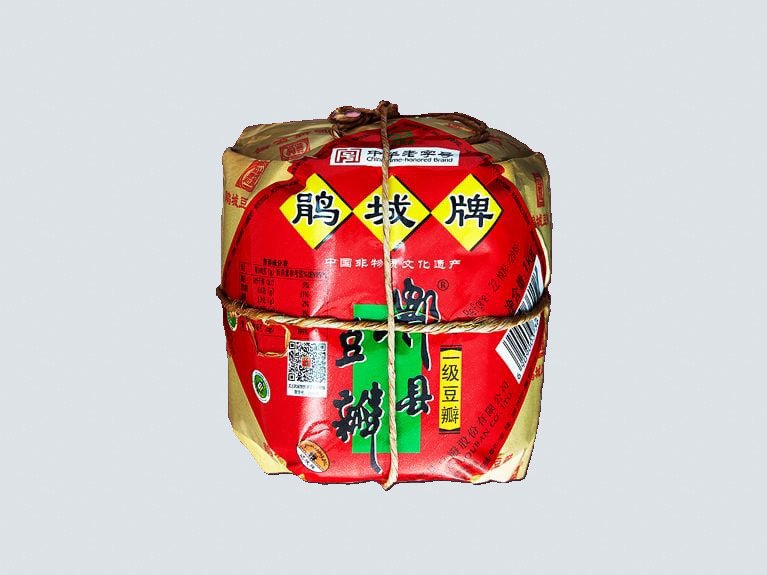
Doubanjiang (Chili Bean Paste)
Less famous than Lao Gan Ma, but actually used far more often in everyday Sichuan cooking. It adds gentle heat and not spicy, deep savory flavor, and helps remove the raw “tofu” taste. Depending on where you live, you can usually find it in the international aisle if your city has a decent Chinese population. Otherwise, a trip to Chinatown will easily solve the problem. (I’ve included a photo reference below.)
Oyster Sauce / Soy Sauce
You can use either one, or a combination of both. These replace salt in the cooking and add depth and umami to the dish.
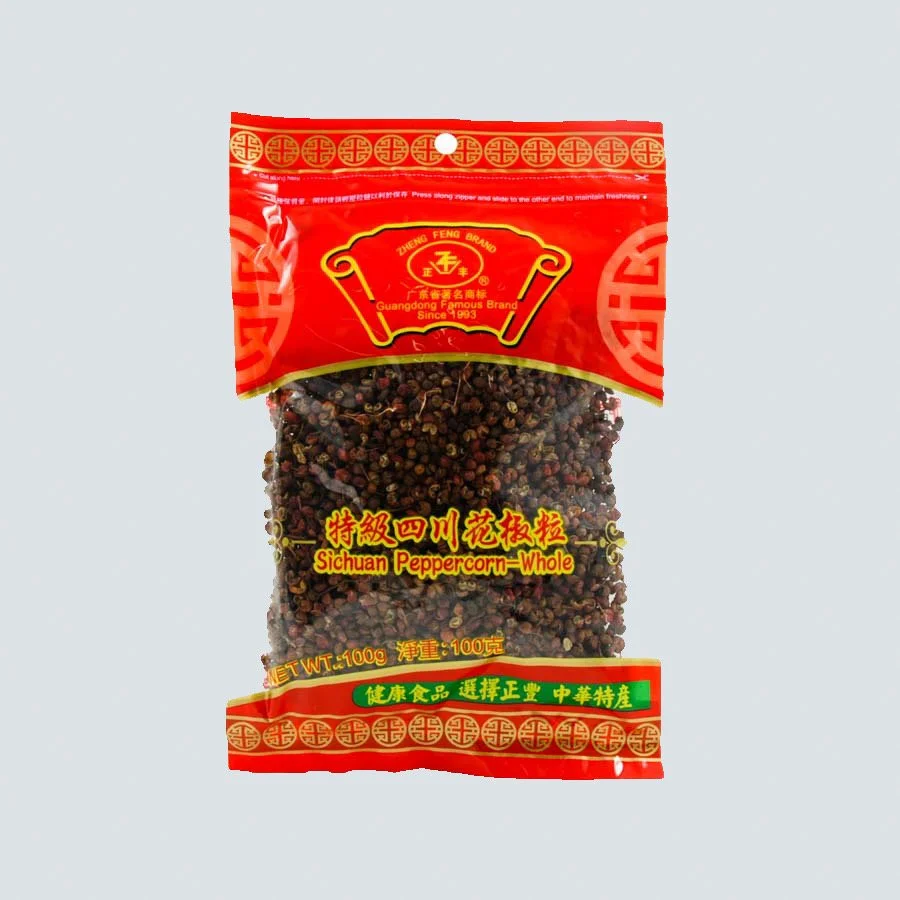
Sichuan Peppercorns
These may require a bit of extra effort to find, but they are essential for the ma (numbing) flavor. Most Asian supermarkets carry them. I recommend lightly toasting and crushing them before use for maximum aroma.
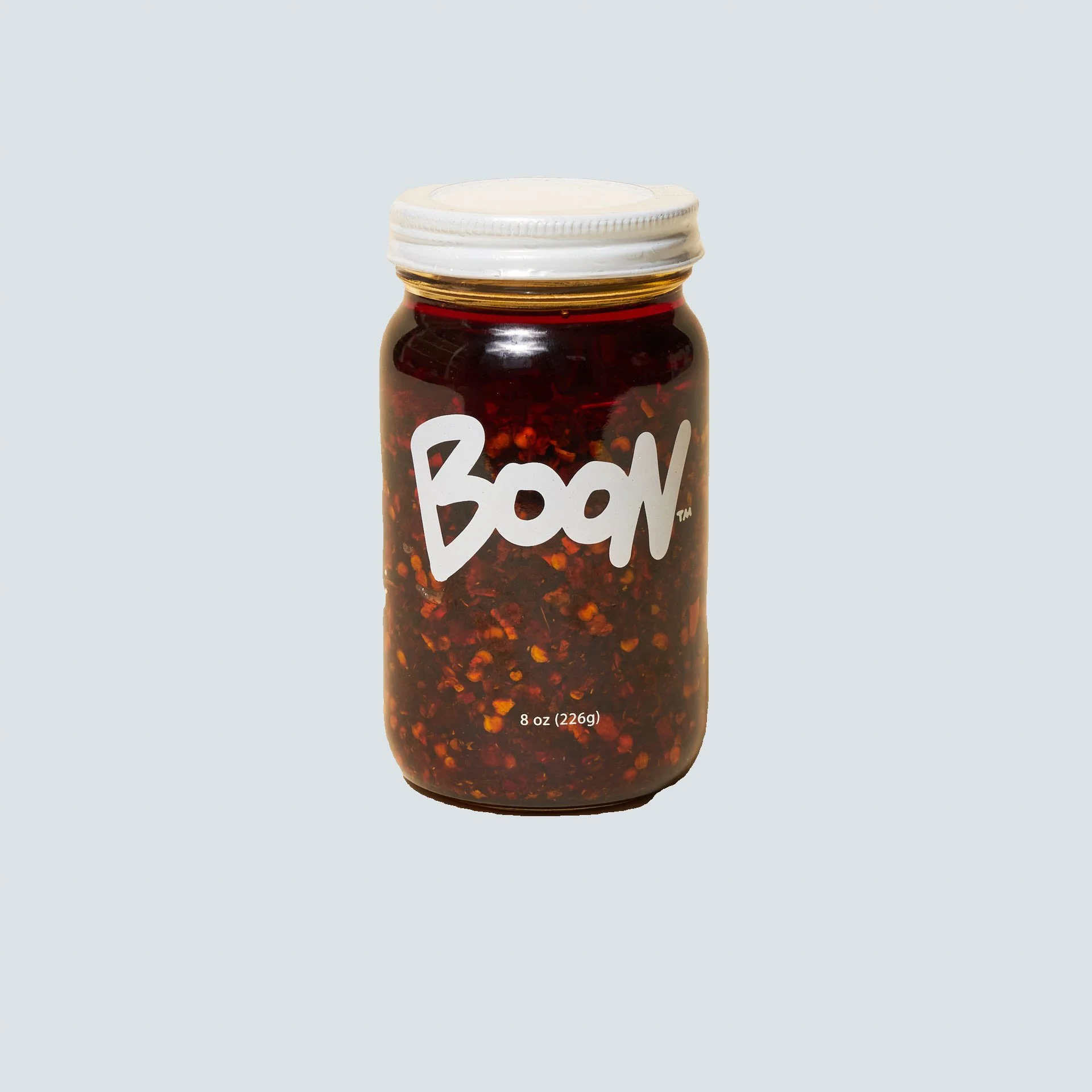
Chili Oil
This adds the la (spicy heat) element. Choose a chili oil with a heat level you are comfortable with, it does not has to be Chinese chilli oil, anything you are familar with are the best kind.
CLICK HERE TO THE RECIPE
VARIATIONS AND UPGRADES - Ragù alla Mapo
For Those Who Prefer Less Heat
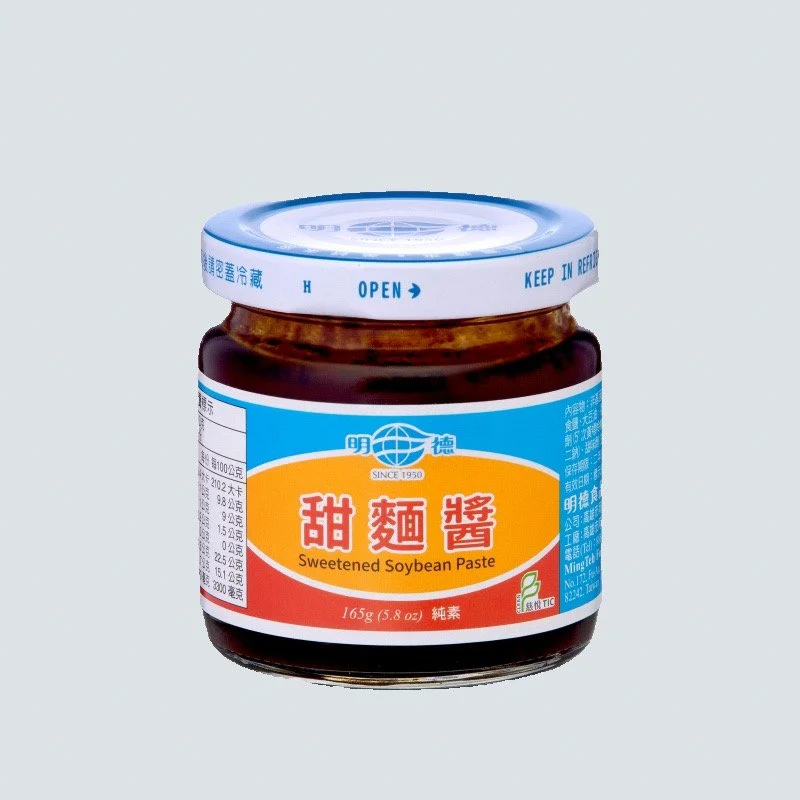
You can substitute doubanjiang with tianmianjiang, or simply reduce the amount of doubanjiang used. Tianmianjiang adds a mildly sweet and savory backbone to the dish. Additionally, you may add two cloves of garlic when cooking the tofu with tianmianjiang to make the dish more pungent and umami-rich without relying on doubanjiang.
For Those Who Love the Heat
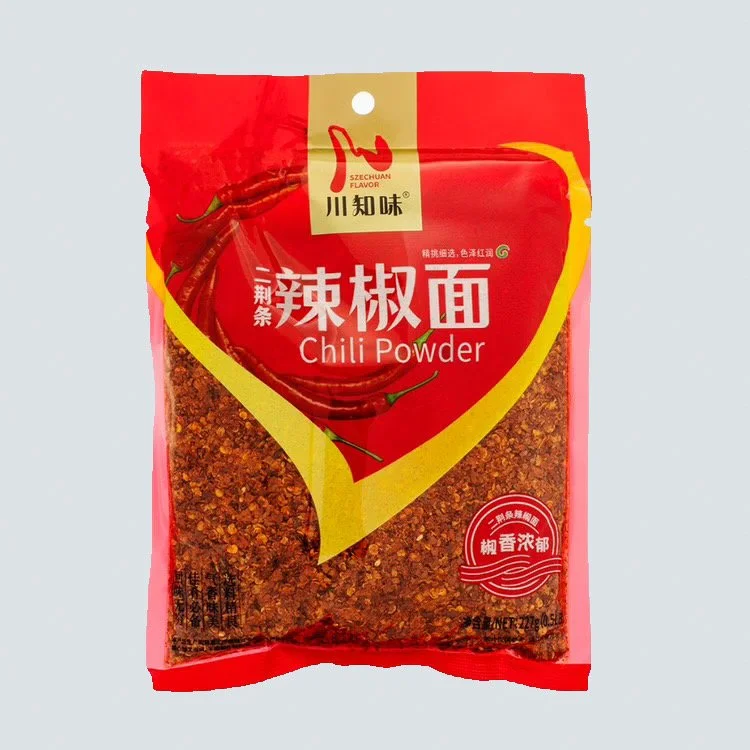
Increase the amount of Sichuan chili powder during cooking to add extra spiciness. If you prefer a fresher, more natural chili flavor, you can garnish with freshly sliced Thai chilies.
Optional Garnishes
Freshly chopped green onions for garnish and visual appeal
A light drizzle of sesame oil to enhance nuttiness
CLICK HERE TO THE RECIPE
SERVING SUGGESTIONS - Ragù alla Mapo
Traditional ragù alla Bolognese is typically served with fresh egg pasta such as tagliatelle or pappardelle, while mapo tofu is often eaten with steamed jasmine rice. Since both original dishes are rich and full of flavor, it is best to pair this dish with something simple and freshly cooked.
The good news is that pasta and rice are interchangeable in this recipe. You may also use dried pasta or other grains such as oats or quinoa, but these will require extra attention during preparation since they contain less starch than fresh pasta.
If you are using pasta or noodles, add them directly to the pan with the Ragù alla Mapo and mix well before serving. For grains, simply place the Ragù alla Mapo on top and serve as is.